

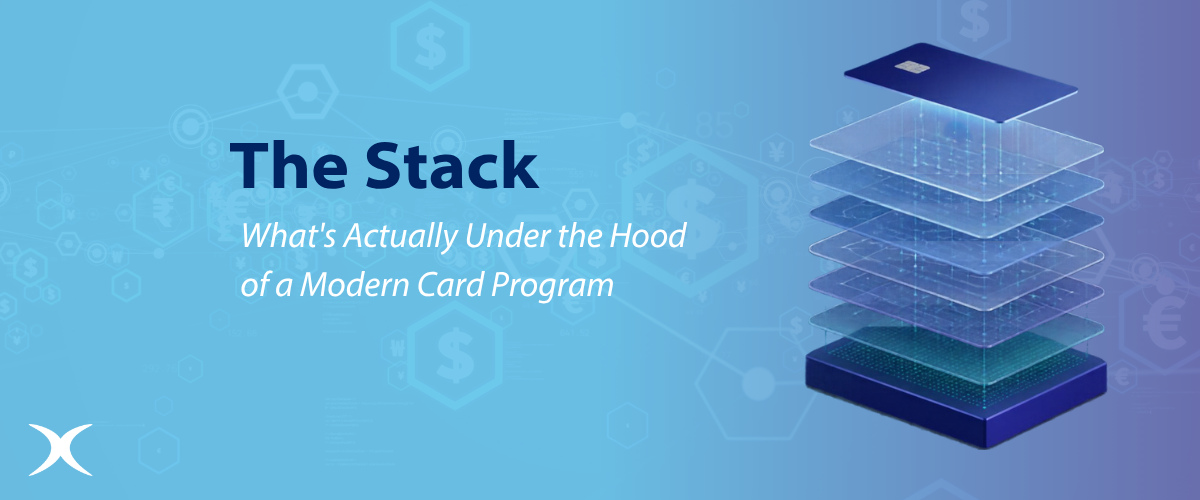
The Stack: What’s Actually Under the Hood of a Modern Card Program A card is only the visible layer A card program looks simple from the outside. A cardholder...
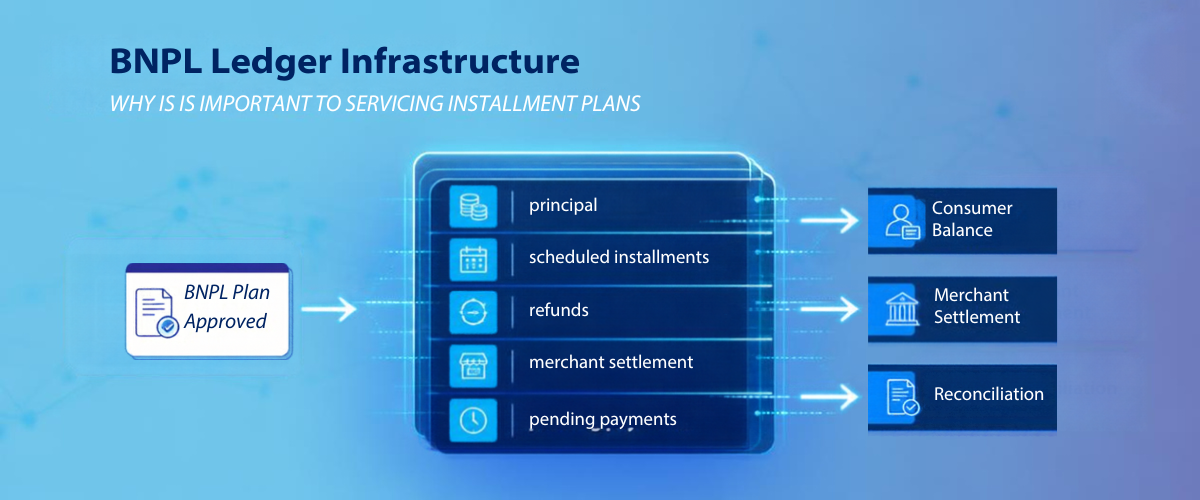
Built For Buy Now Pay Later: Why Installment Servicing is a Ledger Problem, Not Just a Lending Problem A practical look at why buy now pay later programs depend...
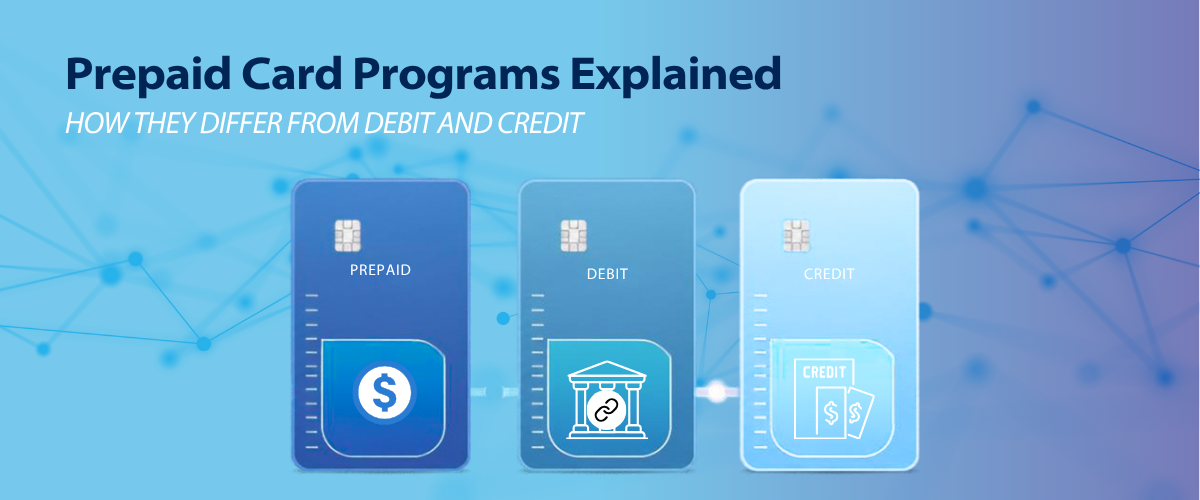
Prepaid Card Programs Explained: How they differ from debit and credit Prepaid card programs, debit programs, and credit programs can look identical at the point-of-sale. The difference typically sits...
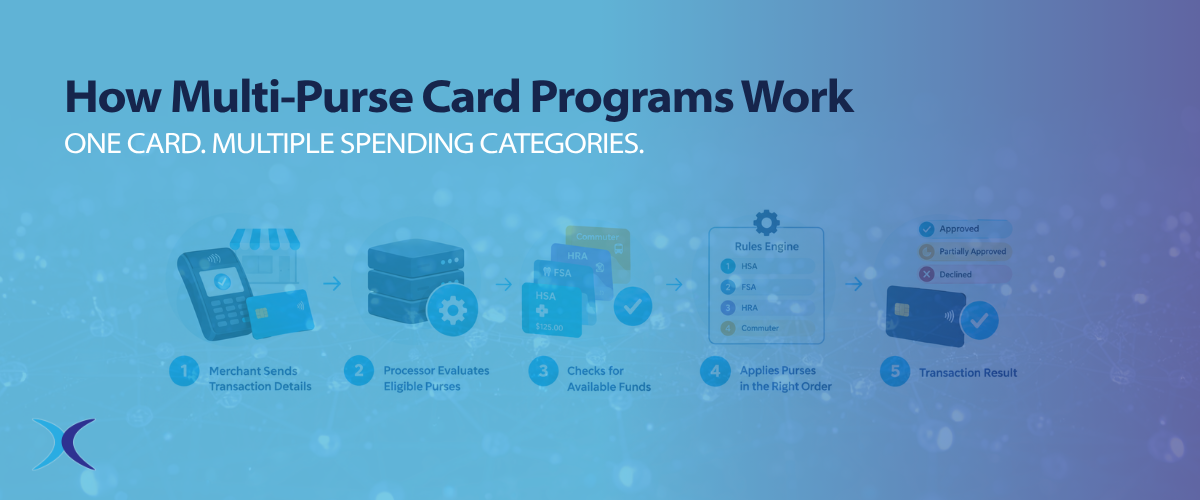
How Multi-Purse Card Programs Work: One Card, Multiple Spending Categories The Single Balance Problem Most card programs start with a simple assumption: one card, one balance, one set of...
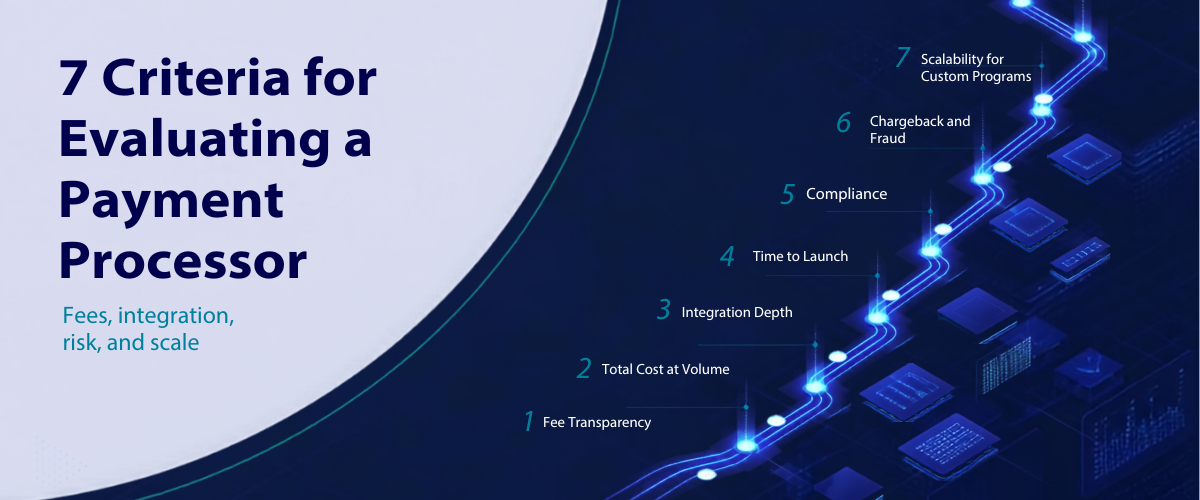
How to Choose the Right Payment Processor as a Fintech Startup: 7 Key Criteria Key Takeaways Most processor comparisons are built for retail merchants selling physical goods, not for...
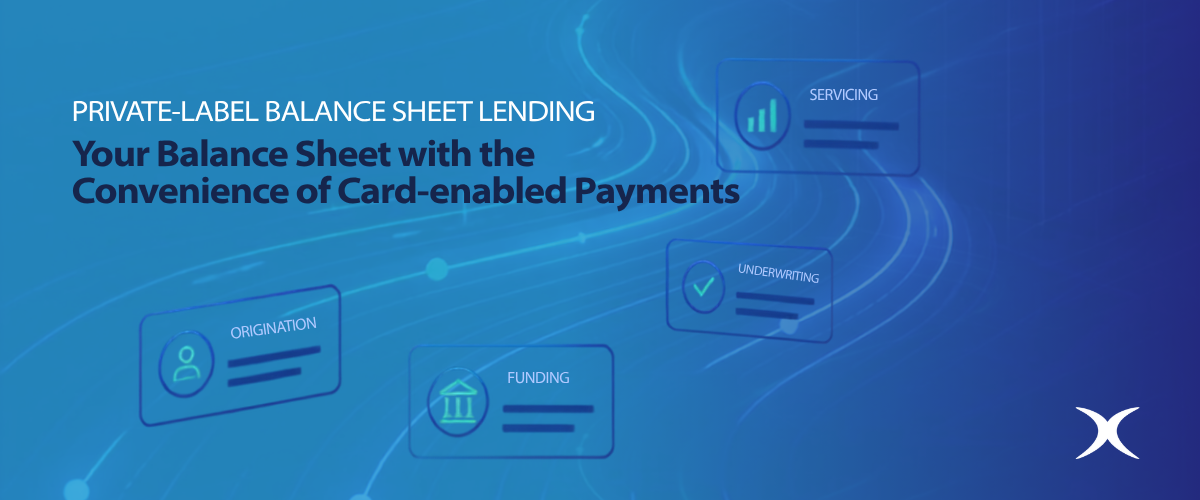
Private-Label Balance Sheet Lending Explained A Different Model for Consumer Installment Funding A practical look at what private-label balance sheet lending is, how it differs from traditional loans and...
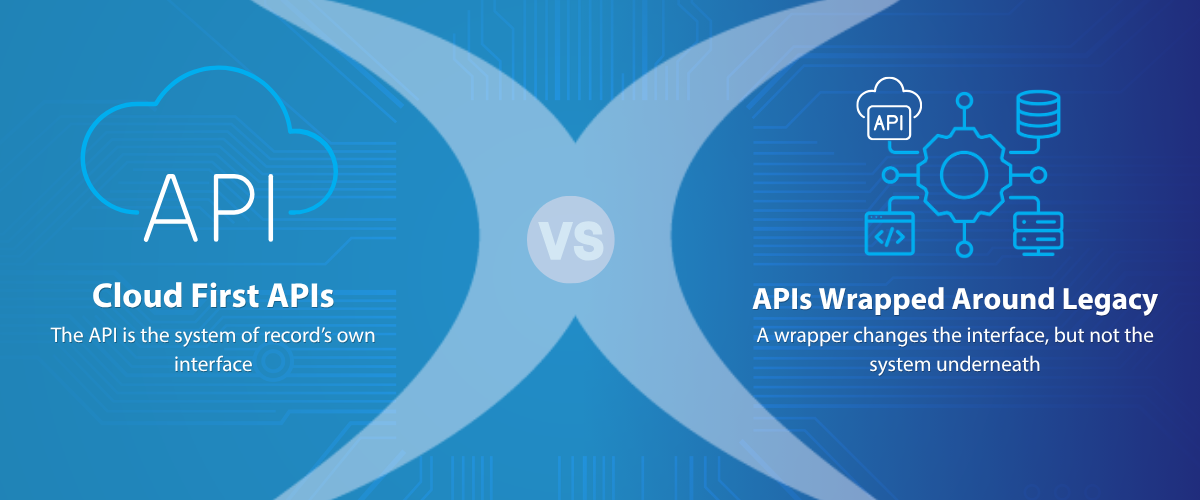
Cloud First APIs vs APIs Wrapped Around Legacy Systems Key Takeaways Two APIs can look identical at the endpoint while behaving very differently underneath. What matters is not the...
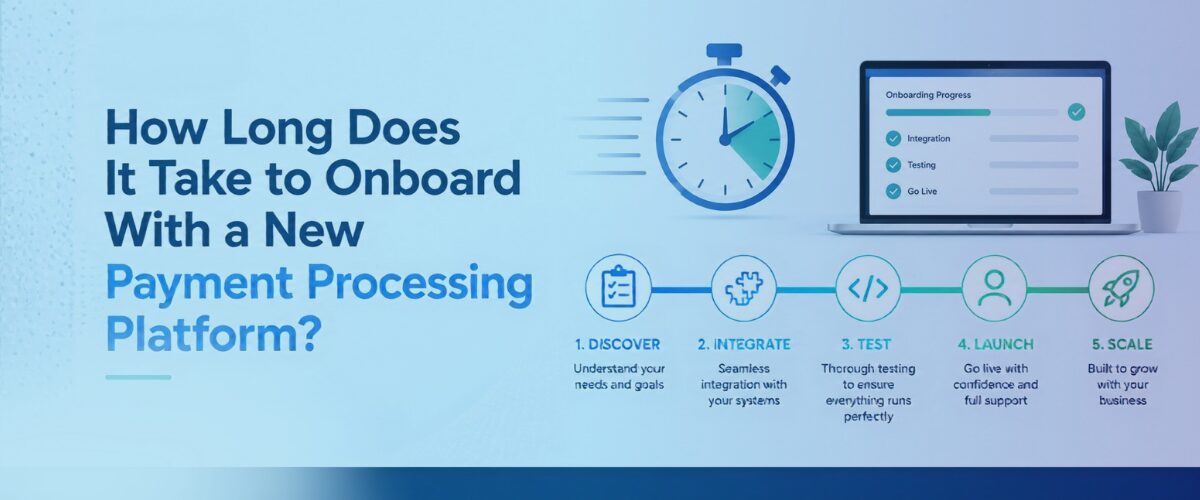
How Long Does It Take to Onboard With a New Payment Processing Platform? Key takeaways Payment processor onboarding timelines range from days to more than a year, driven by...
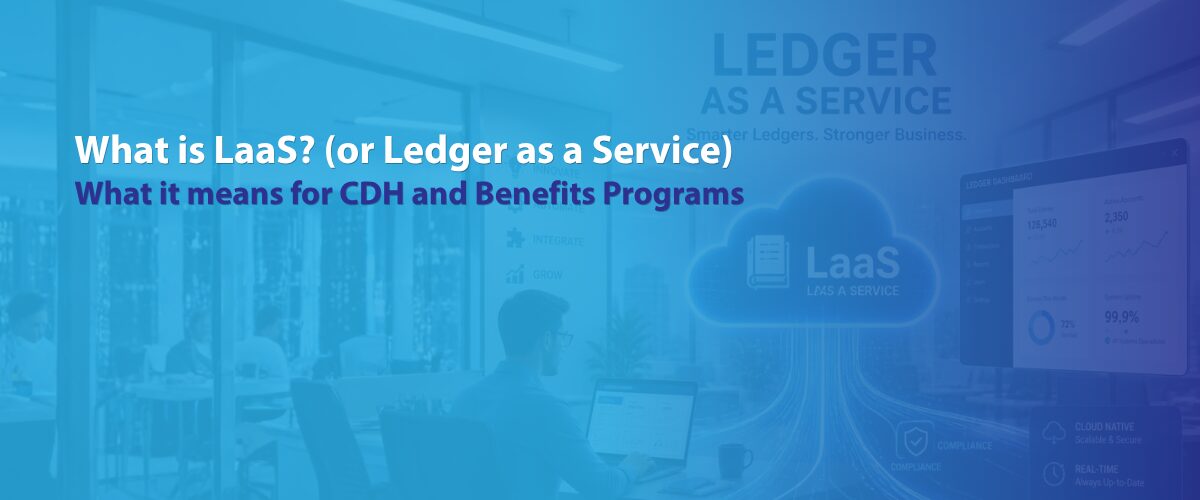
What is LaaS (Ledger as a Service)? Key Takeaways LaaS (Ledger as a Service) is a ledger exposed as a service through APIs. A LaaS is configured rather than...
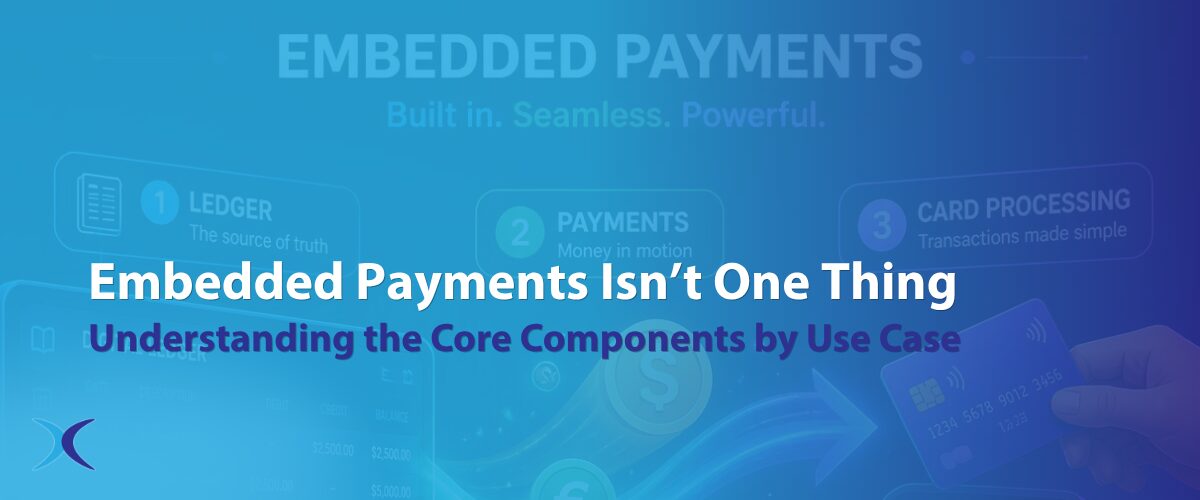
Embedded Payments Isn’t One Thing Understanding the Core Components by Use Case Embedded payments gets used as a single category, but the architecture underneath varies significantly depending on what...