

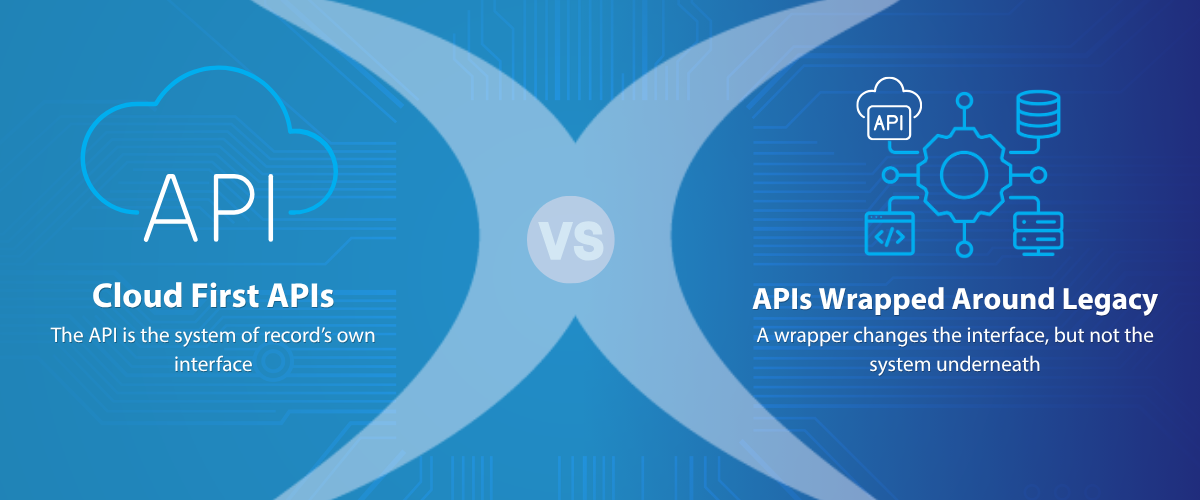
Cloud First APIs vs APIs Wrapped Around Legacy Systems Key Takeaways Two APIs can look identical at the endpoint while behaving very differently underneath. What matters is not the...
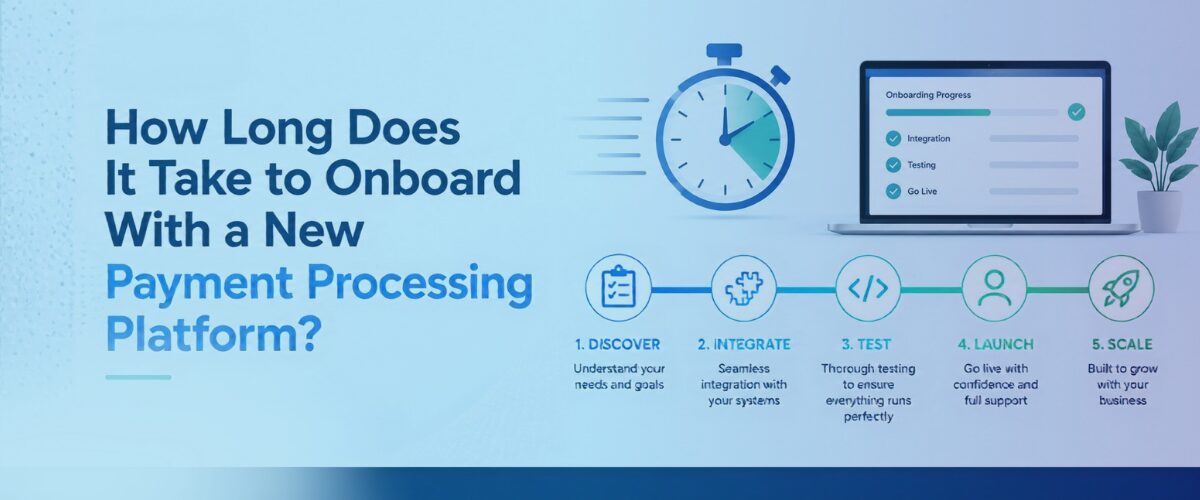
How Long Does It Take to Onboard With a New Payment Processing Platform? Key takeaways Payment processor onboarding timelines range from days to more than a year, driven by...
What is LaaS (Ledger as a Service)? Key Takeaways LaaS (Ledger as a Service) is a ledger exposed as a service through APIs. A LaaS is configured rather than...
Embedded Payments Isn’t One Thing Understanding the Core Components by Use Case Embedded payments gets used as a single category, but the architecture underneath varies significantly depending on what...
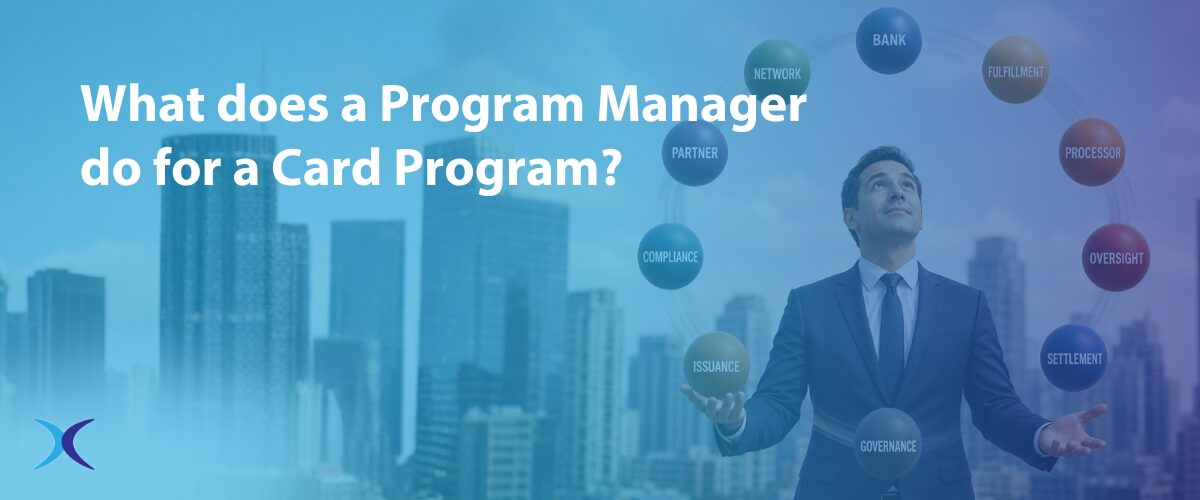
What Does a Program Manager do for a Card Program? When organizations launch a card program, they tend to focus on the visible elements: the card design, the user...

How SaaS Companies Embed Card Issuance and Payment Features Most SaaS platforms did not begin as financial companies. However, many now offer branded debit cards, automated disbursements, or spend...
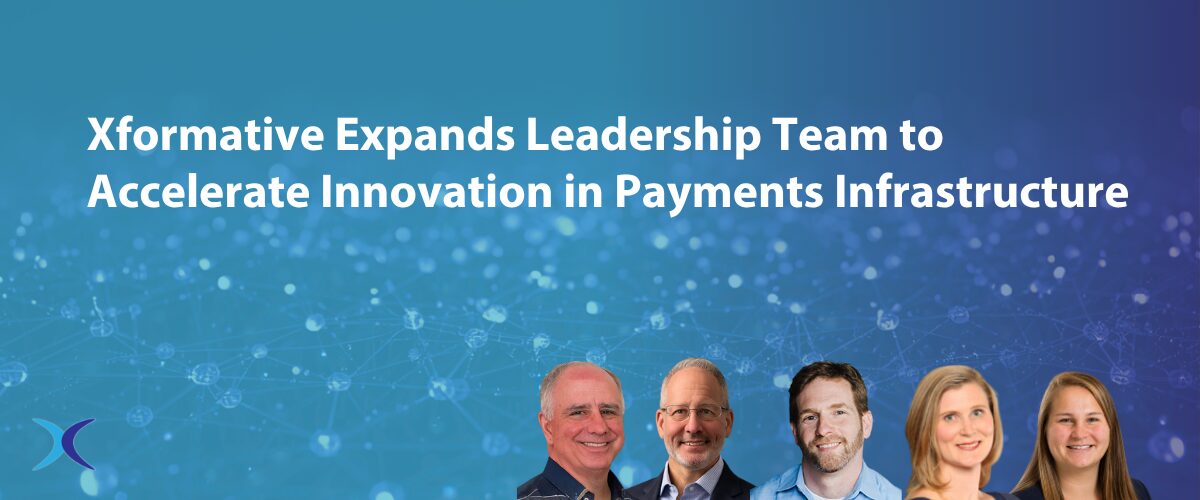
Xformative Expands Leadership Team to Accelerate Innovation in Payments Infrastructure Expanded leadership team brings deep expertise in regulated payments, cloud-native platforms, and modern benefits administration. MADISON, Wis., June 11, 2026 /PRNewswire-PRWeb/...

What Is Ledger as a Service, and Do You Need It for Fintech? Most fintech discovery conversations start with card processing. The ask is simple: issue cards, authorize transactions,...

What Do Card Issuer Processor Companies Actually Do? When a cardholder swipes a benefits card at a pharmacy, taps a corporate card at a hotel, or uses a specialty...
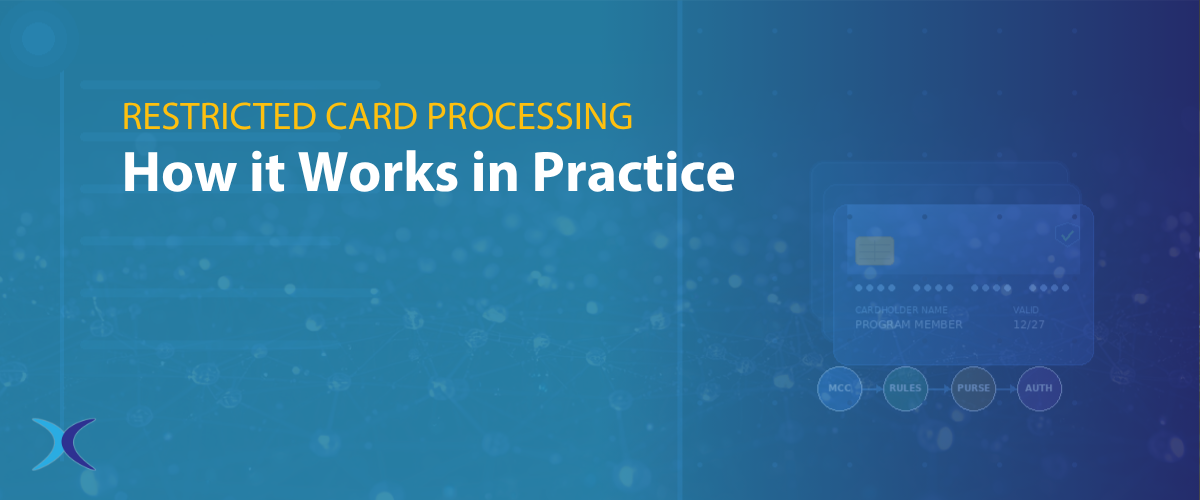
Restricted Card Processing: How it Works in Practice What Restricted Card Processing Is A payment card becomes “restricted” when the issuing platform issuing has configured specific authorization rules that...